Hey there! I’m an inorganics supplier, and today I wanna chat about the main types of inorganics. Inorganics are a big deal in various industries, and understanding their different types can really help you make the right choices for your projects. Inorganics

Metals
Let’s start with metals. Metals are some of the most widely used inorganics out there. They’re super versatile and have all sorts of properties that make them useful in different applications.
Ferrous Metals
First up, we’ve got ferrous metals. These are metals that contain iron. The most common one is steel. Steel is everywhere – in construction, manufacturing, and even in our everyday lives. It’s strong, durable, and can be shaped into all kinds of forms. For example, in the construction industry, steel beams are used to support buildings. They can withstand a lot of weight and stress, making them essential for large – scale structures. Another ferrous metal is cast iron. Cast iron is known for its high heat retention, which is why it’s often used in cookware. Those heavy cast – iron pans can distribute heat evenly, making them great for cooking.
Non – Ferrous Metals
Then there are non – ferrous metals. These metals don’t contain iron. Aluminum is a really popular non – ferrous metal. It’s lightweight, corrosion – resistant, and has good electrical conductivity. That’s why it’s used in things like aircraft construction. The lightweight nature of aluminum helps reduce the overall weight of the plane, which in turn saves fuel. Copper is another important non – ferrous metal. It’s an excellent conductor of electricity, so it’s widely used in electrical wiring. You’ll also find copper in plumbing because it’s resistant to corrosion and can handle high water pressure.
Minerals
Minerals are another major type of inorganics. They come in all shapes and sizes and have different uses.
Quartz
Quartz is a very common mineral. It’s hard and has a high melting point. Quartz is used in the production of glass. When heated, quartz can be melted and formed into different glass products, from windows to drinking glasses. It’s also used in electronics. Quartz crystals are used in watches and clocks because they can vibrate at a very precise frequency, which helps keep accurate time.
Feldspar
Feldspar is another important mineral. It’s used in the ceramics industry. When mixed with other materials, feldspar helps lower the melting point of the ceramic mixture, making it easier to shape and fire. You’ll find feldspar in things like porcelain dishes and tiles.
Gypsum
Gypsum is a soft mineral. It’s commonly used in construction as drywall. Drywall is made by sandwiching a layer of gypsum between two sheets of paper. It’s easy to install and provides a smooth surface for painting and decorating. Gypsum is also used in the agricultural industry as a soil conditioner. It can improve soil structure and help plants grow better.
Salts
Salts are compounds made up of a metal and a non – metal. They have a wide range of uses.
Sodium Chloride
The most well – known salt is sodium chloride, which is just table salt. We use it in our food to add flavor, but it also has industrial uses. In the chemical industry, sodium chloride is used to produce chlorine and sodium hydroxide through a process called electrolysis. These chemicals are used in the production of many other products, like plastics and soaps.
Calcium Carbonate
Calcium carbonate is another important salt. It’s found in nature as limestone, marble, and chalk. In the construction industry, it’s used as a building material. Limestone can be crushed and used as aggregate in concrete. Calcium carbonate is also used in the paper industry as a filler. It helps improve the brightness and smoothness of paper.
Gases
Gases are also part of the inorganics family.
Oxygen
Oxygen is essential for life, but it also has many industrial uses. In the steel industry, oxygen is used in the process of steelmaking. It helps remove impurities from the iron, making the steel stronger. Oxygen is also used in the medical field to help patients with breathing problems.
Nitrogen
Nitrogen is an inert gas. It’s used in the food industry to preserve food. By replacing the oxygen in food packaging with nitrogen, the growth of bacteria and mold can be slowed down, extending the shelf – life of the food. Nitrogen is also used in the electronics industry to create an inert atmosphere during the manufacturing process, preventing oxidation of sensitive components.
Carbon Dioxide
Carbon dioxide is a well – known gas. It’s used in the beverage industry to carbonate drinks. When carbon dioxide is dissolved in water under pressure, it creates the fizz in soda and other carbonated beverages. In the fire – fighting industry, carbon dioxide is used in fire extinguishers because it can displace oxygen and smother the fire.
Acids and Bases
Acids and bases are important inorganics with a wide range of applications.
Sulfuric Acid
Sulfuric acid is one of the most widely used acids. It’s used in the production of fertilizers, detergents, and batteries. In the fertilizer industry, sulfuric acid is used to make phosphate fertilizers. It reacts with phosphate rock to produce phosphoric acid, which is then used to make different types of fertilizers.
Sodium Hydroxide
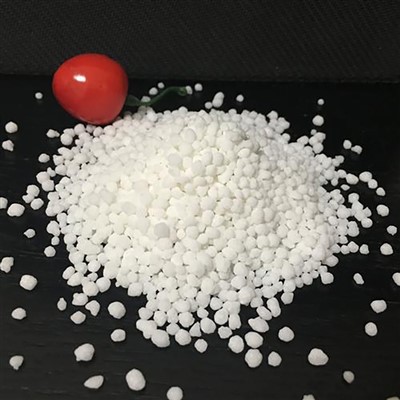
Sodium hydroxide is a strong base. It’s used in the soap – making industry. When sodium hydroxide reacts with fats or oils, it produces soap through a process called saponification. Sodium hydroxide is also used in the paper industry to break down wood fibers and make pulp.
Sweeteners So, there you have it – the main types of inorganics. Whether you’re in the construction, manufacturing, food, or any other industry, these inorganics play a crucial role. As an inorganics supplier, I’ve seen firsthand how important it is to have the right type of inorganics for your projects. If you’re in the market for inorganics, I’d love to have a chat with you. We can discuss your specific needs and find the best solutions for you. Whether you need a small quantity for a research project or a large – scale supply for an industrial operation, I’m here to help. Just reach out, and we can start the conversation about how I can meet your inorganics requirements.
References
- Emsley, John. "The Elements." Oxford University Press, 2011.
- Greenwood, Norman N., and Alan Earnshaw. "Chemistry of the Elements." Butterworth – Heinemann, 1997.
Sinoright International Trade Co., Ltd.
We’re well-known as one of the leading inorganics manufacturers and suppliers in China, featured by quality products and good price. With abundant experience, we warmly welcome you to buy bulk inorganics for sale here from our factory.
Address: NO.13-1 HESHUOYUAN, GANJINGZI DIST, DALIAN,CHINA
E-mail: harry.du@sinoright.net
WebSite: https://www.sinoright-chemicals.com/
