When it comes to the cost of a scissor lift, numerous factors come into play, each contributing to the final price tag. As a scissor lift supplier, I’ve witnessed firsthand how these elements can significantly influence the overall expense. In this blog post, I’ll delve into the key factors that affect the cost of a scissor lift, providing insights for those in the market for this essential piece of equipment. Scissor Lift

Platform Size and Capacity
One of the most significant factors influencing the cost of a scissor lift is the platform size and capacity. Generally, larger platforms with higher weight capacities come at a premium. The reason behind this is straightforward: more substantial platforms require more materials and advanced engineering to ensure stability and safety at elevated heights. A scissor lift with a smaller platform, designed for lighter loads and confined spaces, will typically be less expensive. For instance, a compact scissor lift with a platform size of around 3 feet by 6 feet and a capacity of 500 pounds may cost significantly less than a large – scale model with an 8 – foot by 12 – foot platform capable of holding 3,000 pounds.
Manufacturers need to reinforce larger platforms to bear heavier loads. This often involves using thicker steel and more robust structural components. These additional materials not only increase the production cost but also add to the weight of the lift, which can impact transportation and operational costs as well.
Lift Height
The maximum height a scissor lift can reach is another critical determinant of its cost. Higher – reaching scissor lifts require more complex lifting mechanisms, including longer scissor arms and more powerful hydraulic systems. As the lift height increases, so does the need for enhanced safety features to prevent tipping and ensure user safety at great heights.
For example, a scissor lift with a maximum height of 10 feet is relatively simple in design and less expensive. Conversely, a high – end scissor lift that can reach up to 50 feet or more will have a much higher price due to the precision engineering and specialized materials required in its construction. The added complexity of the hydraulic and mechanical systems necessary to lift the platform to extreme heights often results in a more expensive product.
Power Source
The type of power source a scissor lift utilizes also affects its cost. The three main power sources are electric, diesel, and gasoline.
- Electric Scissor Lifts: Electric scissor lifts are typically more expensive upfront. However, they offer long – term cost savings in terms of fuel and maintenance. These lifts are often preferred for indoor use because they produce no emissions, making them environmentally friendly and compliant with indoor air quality regulations. The electric motor technology and battery systems required to power these lifts are relatively expensive but provide quiet operation and smooth lifting power.
- Diesel Scissor Lifts: Diesel – powered scissor lifts are known for their high power and durability, which makes them suitable for outdoor applications, especially in rough – terrain environments. The cost of a diesel scissor lift is generally in the middle range compared to electric and gasoline models. The diesel engine, along with its associated components such as fuel tanks and exhaust systems, contributes to the overall cost.
- Gasoline Scissor Lifts: Gasoline – powered scissor lifts are generally the least expensive in terms of initial purchase price. However, they may have higher operating costs due to the relatively high cost of gasoline and more frequent maintenance requirements. These lifts are often used for light – duty outdoor tasks where cost – effectiveness is a primary concern.
Brand and Quality
The reputation and brand of the scissor – lift manufacturer also play a significant role in determining the cost. Well – known brands with a history of producing high – quality, reliable equipment usually charge more for their products. These manufacturers invest heavily in research and development, ensuring that their scissor lifts meet the highest safety and performance standards.
A high – quality scissor lift from a reputable brand is likely to have better – built components, more advanced safety features, and superior customer support. For example, a scissor lift from a leading international brand may come with a comprehensive warranty, regular maintenance programs, and access to a global network of service centers. In contrast, a lesser – known brand may offer a lower – cost alternative, but the quality and reliability may be compromised, leading to potential long – term costs in terms of repairs and downtime.
Additional Features and Accessories
The inclusion of additional features and accessories can significantly increase the cost of a scissor lift. Some common features that add to the price include:
- Outriggers: Outriggers provide extra stability, especially when the lift is operating on uneven ground or at maximum height. They are a valuable safety feature but require additional materials and engineering, thus increasing the cost.
- Non – Marking Tires: Non – marking tires are essential for indoor use, as they prevent damage to floors. These specialized tires are more expensive than standard ones.
- Remote Controls: Remote – control functionality allows operators to control the scissor lift from a distance, increasing flexibility and convenience. However, this advanced feature adds to the overall cost of the equipment.
- Platform Extensions: Platform extensions increase the usable area of the platform, allowing for more tools and materials to be carried. The mechanism for extending the platform adds complexity to the design and raises the cost.
Market Conditions
Market conditions, such as supply and demand, also have an impact on the cost of scissor lifts. During periods of high demand, such as in the construction boom seasons, prices may increase due to limited supply and increased competition among buyers. Conversely, when the market is saturated, manufacturers may offer discounts and incentives to attract customers.
Global economic factors, such as raw material prices and exchange rates, can also influence the cost of scissor lifts. If the price of steel, a primary material in scissor – lift construction, rises significantly, the manufacturer’s production costs increase, and these costs are often passed on to the consumer. Similarly, fluctuations in exchange rates can affect the cost of imported scissor lifts or components, especially for products sourced from overseas.
Service and Maintenance Costs
Service and maintenance costs are often overlooked when considering the overall cost of a scissor lift. A high – initial – cost scissor lift from a well – known brand may come with lower long – term maintenance costs. These manufacturers usually provide comprehensive service manuals, access to genuine parts, and trained technicians.
On the other hand, a cheaper scissor lift may have higher maintenance costs in the long run due to the use of lower – quality components, which are more likely to break down. Additionally, finding replacement parts for a less – popular brand can be more challenging and expensive.
Transportation and Delivery
The cost of transporting and delivering a scissor lift to the customer’s location is another factor to consider. Larger and heavier scissor lifts require specialized transportation equipment, such as flatbed trucks or trailers. The distance to the delivery location also plays a role, as longer distances typically incur higher shipping costs.
Some suppliers may offer free or discounted delivery as part of a promotional package. However, in most cases, customers need to factor in transportation costs when budgeting for a scissor lift purchase.
Conclusion
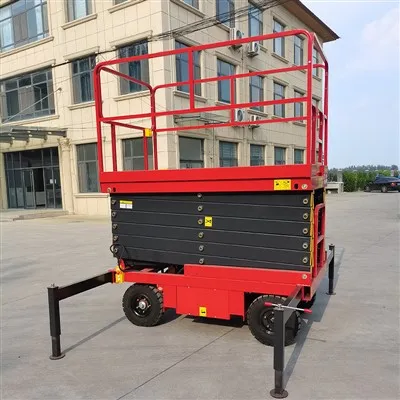
As a scissor lift supplier, I understand that the cost of a scissor lift is determined by a variety of factors, including platform size and capacity, lift height, power source, brand and quality, additional features, market conditions, service and maintenance costs, and transportation expenses. When making a purchasing decision, it’s essential to consider all these factors in relation to your specific needs and budget.
Double Mast Aluminum Alloy Lift If you’re in the market for a scissor lift, I invite you to contact me to discuss your requirements. We offer a wide range of scissor lifts, from small and affordable models to large, high – end equipment with advanced features. Our team of experts can help you choose the right scissor lift for your application and provide you with a detailed quote.
References
- Equipment World Magazine – Covers various aspects of construction equipment, including scissor lifts.
- Lift and Access Magazine – A specialized publication focusing on aerial work platforms like scissor lifts, with articles on cost analysis and market trends.
- Manufacturer brochures from prominent scissor – lift manufacturers, which provide technical details and pricing information.
Shandong Zhongke Huali Machinery Co., Ltd.
As one of the most professional scissor lift manufacturers and suppliers in China, we also support customized service. We warmly welcome you to wholesale discount scissor lift in stock here from our factory. For price consultation, contact us.
Address: No. 2 Qubai Road, Qudi Street, Jiyang District, Jinan City, Shandong Province
E-mail: hlizhonggong@163.com
WebSite: https://www.hualiheavy.com/
