Is Monascus Yellow Safe for Human Consumption? Monascus Yellow
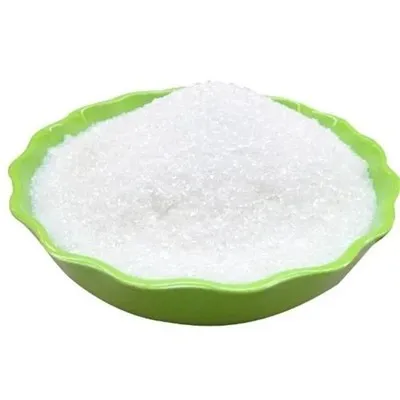
As a supplier of Monascus Yellow, I am often asked about the safety of this natural colorant for human consumption. Monascus Yellow, derived from the fermentation of Monascus purpureus over rice, has a long – standing history in the food industry, especially in Asia. In this blog, I will delve into the scientific aspects of its safety, examine both sides of the argument, and provide a well – rounded perspective.
The History of Monascus Yellow in Food
Monascus Yellow has been utilized as a food coloring and flavoring agent for centuries, particularly in traditional Asian cuisines. In China, Japan, and Korea, it is commonly added to various fermented foods, such as tofu, soy sauce, and rice wine. The long – term use of Monascus Yellow in these regions is a testament to its relative safety. Historically, people have consumed food products containing Monascus Yellow without widespread reports of adverse effects. This traditional use provides a certain level of reassurance about its safety when used in moderation.
The Production Process and Its Impact on Safety
The production of Monascus Yellow is a natural fermentation process. Monascus purpureus is inoculated on rice, and under controlled conditions of temperature, humidity, and time, the fungus ferments the rice, producing a variety of pigments, including Monascus Yellow. The key to ensuring safety lies in the strict control of the fermentation process. Reputable producers, like the ones I source from, adhere to Good Manufacturing Practices (GMP). This means that they carefully monitor the quality of the raw materials, keep the fermentation environment clean and free from contaminants, and test the final product for any harmful substances.
During the fermentation, the fungus may produce some secondary metabolites along with the pigments. One of the concerns has been the potential production of citrinin, a mycotoxin. However, modern production techniques have made significant progress in minimizing citrinin production. Through strain selection, producers can choose Monascus strains that have a low tendency to produce citrinin. Additionally, thorough testing at the end of the production process can detect even trace amounts of citrinin, ensuring that the final Monascus Yellow product is citrinin – free or contains only negligible amounts.
Scientific Studies on the Safety of Monascus Yellow
Numerous scientific studies have been conducted to evaluate the safety of Monascus Yellow. Many of these studies have focused on acute and chronic toxicity. Acute toxicity studies involve administering a high dose of Monascus Yellow to experimental animals over a short period to observe any immediate adverse effects. Chronic toxicity studies, on the other hand, expose animals to Monascus Yellow over a long – term period to detect any potential long – term health risks.
Most of the well – designed studies have shown that Monascus Yellow is relatively non – toxic. In acute toxicity tests, animals have been able to tolerate high doses of Monascus Yellow without significant signs of toxicity, such as lethargy, weight loss, or abnormal behavior. Chronic toxicity studies have also not reported any serious health problems, such as organ damage or carcinogenic effects, when animals are exposed to Monascus Yellow at levels comparable to human consumption.
Another aspect of safety is the potential for allergenicity. While allergic reactions to food can occur, there have been very few reports of allergic reactions specifically to Monascus Yellow. This suggests that for the vast majority of the population, Monascus Yellow is not likely to cause allergic responses.
Regulatory Approval
The safety of Monascus Yellow is also supported by regulatory approvals in many countries. In China, the use of Monascus Yellow as a food additive is regulated by the National Health Commission. The commission has established strict standards for its production, quality, and usage levels in different types of food products. Similarly, in other countries in Asia, as well as some in Europe and North America, Monascus Yellow has been approved for use in specific food categories, subject to certain usage limits. These regulatory approvals are based on comprehensive scientific evaluations of its safety, and they provide an additional layer of assurance for consumers and food manufacturers.
Addressing Concerns and Misconceptions
Despite the scientific evidence and regulatory approvals, there are still some concerns and misconceptions about the safety of Monascus Yellow. Some people worry about the potential presence of unknown toxins or long – term health effects that have not yet been discovered. While it is true that science is constantly evolving, the extensive research conducted so far has not indicated any major safety issues.
Another common misconception is that all Monascus products are the same. In reality, the quality and safety of Monascus Yellow can vary depending on the production method, the strain of Monascus used, and the quality control measures in place. As a supplier, I take great care to ensure that the Monascus Yellow I offer meets the highest safety and quality standards. I work closely with producers who use advanced fermentation techniques and conduct rigorous testing to guarantee a pure and safe product.
Monascus Yellow in the Food Industry
In the food industry, Monascus Yellow is highly valued for its natural origin and its ability to provide a stable and appealing yellow color. It is used in a wide range of food products, from confectionery to meat products. Food manufacturers are increasingly looking for natural alternatives to synthetic colorants, and Monascus Yellow fits the bill perfectly. It not only enhances the visual appeal of food but also aligns with the growing consumer demand for natural and clean – label products.
Conclusion
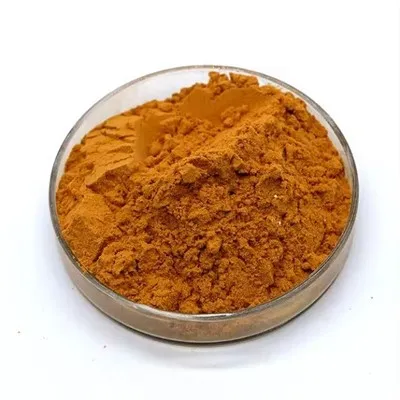
In conclusion, based on historical use, scientific studies, and regulatory approvals, Monascus Yellow is generally safe for human consumption when used in accordance with established standards. The production process can be carefully controlled to minimize any potential risks, such as the presence of citrinin. As a supplier, I am committed to providing high – quality Monascus Yellow that meets all safety requirements.
Fructose Corn Syrup If you are a food manufacturer or a business in the food industry looking for a natural and safe colorant, Monascus Yellow could be an excellent choice for your products. I invite you to contact me to discuss your specific needs and explore the possibility of a partnership. I am more than happy to provide samples and detailed information about our Monascus Yellow products. Let’s work together to create delicious and visually appealing food products that consumers can trust.
References
- Chen, H., & Wu, T. (2018). Safety evaluation of Monascus pigments as a natural colorant in the food industry. Food Science and Technology Research, 24(3), 311 – 318.
- Hu, Z., & Pan, J. (2019). Advances in the production and application of Monascus pigments. Journal of Industrial Microbiology & Biotechnology, 46(5), 591 – 603.
- Regulation of the People’s Republic of China on the Safety of Food Additives (2015). Published by the National Health Commission of China.
Fudijia (Tianjin) Supply Chain Co., Ltd.
With abundant experience, we re one of the most professional monascus yellow manufacturers and suppliers in China. We warmly welcome you to wholesale bulk high quality monascus yellow made in China here from our factory. For more information, contact us now.
Address: 301-2-1C,Jin Bin Jie Zuo,No.98, Huanghai Road,TEDA, Tianjin, China
E-mail: foodchem@hjlfoods.com
WebSite: https://www.ifoodchem.com/
