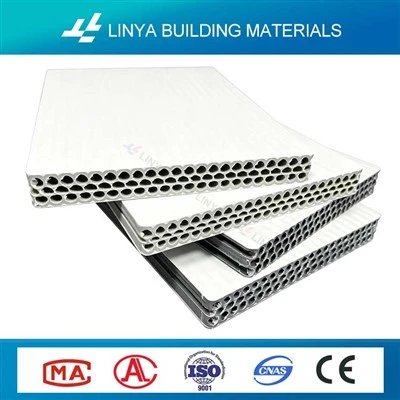
As a formwork supplier, I have witnessed firsthand the profound impact that formwork has on the settlement of concrete. In this blog, I will delve into the intricate relationship between formwork and concrete settlement, exploring the various factors at play and offering insights based on my years of experience in the industry. Formwork
Understanding Concrete Settlement
Before we discuss the role of formwork, it’s essential to understand what concrete settlement is. Concrete settlement is a natural process that occurs after concrete is placed. It involves the downward movement of the concrete mass due to the expulsion of water and the consolidation of the concrete particles. This settlement can occur in two main types: plastic settlement and drying shrinkage.
Plastic settlement happens while the concrete is still in its plastic state, typically within the first few hours after placement. During this time, the solid particles in the concrete settle under the influence of gravity, and water migrates to the surface. If not properly managed, plastic settlement can lead to surface cracking, honeycombing, and uneven surfaces.
Drying shrinkage, on the other hand, occurs as the concrete loses moisture over time. As water evaporates from the concrete, it causes the concrete to shrink. This shrinkage can result in cracking, especially if the concrete is restrained from moving freely.
The Role of Formwork in Plastic Settlement
Formwork plays a crucial role in controlling plastic settlement. The design and construction of formwork can significantly influence the way concrete settles during its plastic state.
Rigidity and Support
One of the primary functions of formwork is to provide rigid support for the fresh concrete. A well – designed formwork system should be able to withstand the pressure exerted by the concrete without excessive deflection. If the formwork is not rigid enough, it may deform under the weight of the concrete, leading to uneven settlement. For example, if the formwork panels are too thin or the supports are not properly spaced, the concrete may settle more in areas where the formwork is less rigid, causing surface irregularities.
Smoothness of Formwork Surface
The smoothness of the formwork surface can also affect plastic settlement. A smooth formwork surface allows the concrete to flow more easily and settle evenly. Rough formwork surfaces can cause friction between the concrete and the formwork, impeding the natural settlement process. This can lead to localized areas of higher settlement and potential surface defects.
Formwork Removal Time
The timing of formwork removal is critical in relation to plastic settlement. If the formwork is removed too early, the concrete may not have gained sufficient strength to support its own weight, resulting in excessive settlement and cracking. Conversely, leaving the formwork in place for too long can also cause problems, as it may restrict the natural movement of the concrete during the settlement process.
The Impact of Formwork on Drying Shrinkage
Formwork can also have a significant impact on drying shrinkage, which occurs over a longer period as the concrete cures.
Moisture Retention
Formwork can act as a barrier to moisture loss from the concrete. By retaining moisture within the concrete, the formwork can help to reduce the rate of drying shrinkage. For example, using formwork materials that are impermeable or applying moisture – retaining coatings to the formwork can slow down the evaporation of water from the concrete. This is particularly important in hot and dry climates, where rapid drying can lead to significant cracking.
Restraint of Concrete Movement
Formwork can either restrain or allow the concrete to move as it shrinks. In some cases, the formwork may be designed to provide a certain degree of restraint to control the cracking pattern. However, if the formwork restrains the concrete too much, it can cause high internal stresses, leading to cracking. On the other hand, allowing the concrete some freedom to move during shrinkage can help to relieve these stresses and reduce the risk of cracking.
Factors to Consider in Formwork Selection for Controlling Settlement
When selecting formwork for a concrete project, several factors should be considered to minimize the impact on concrete settlement.
Material Properties
The material of the formwork can affect its performance in relation to concrete settlement. For example, steel formwork is very rigid and can provide excellent support for the concrete, reducing the risk of uneven settlement during the plastic stage. However, it may not be as effective in retaining moisture as some other materials. Wood formwork, on the other hand, can absorb and release moisture, which can help to regulate the moisture content of the concrete and reduce drying shrinkage.
Design and Configuration
The design and configuration of the formwork should be tailored to the specific requirements of the project. For large – scale concrete structures, a modular formwork system may be more suitable, as it can be easily assembled and disassembled, and it can provide uniform support. The shape and size of the formwork elements can also affect the flow and settlement of the concrete. For example, using tapered formwork can help to facilitate the settlement process by allowing the concrete to move more freely.
Compatibility with Concrete Mix
The formwork should be compatible with the concrete mix being used. Some concrete mixes may have specific requirements in terms of formwork materials and surface treatments. For example, high – strength concrete may require a more rigid formwork system to withstand the higher pressures, while self – compacting concrete may need a formwork surface that allows for easy flow and settlement.
Real – World Examples of How Formwork Affects Concrete Settlement
I would like to share a few real – world examples to illustrate the impact of formwork on concrete settlement.
A High – Rise Building Project
In a high – rise building project, we supplied a steel formwork system for the construction of the concrete columns and walls. The rigidity of the steel formwork ensured that the concrete settled evenly during the plastic stage, resulting in smooth and straight surfaces. We also designed the formwork to be removed at the optimal time, allowing the concrete to gain sufficient strength while still being able to move slightly during the drying shrinkage process. As a result, the building had minimal cracking and a high – quality finish.
A Bridge Construction Project
In a bridge construction project, the client initially used a rough wood formwork system. The roughness of the formwork surface caused friction with the concrete, leading to uneven plastic settlement and visible surface defects. After discussing the issue with the client, we replaced the formwork with a smooth PVC – coated formwork. This new formwork allowed the concrete to settle more evenly, and the surface finish of the bridge components improved significantly.
Conclusion
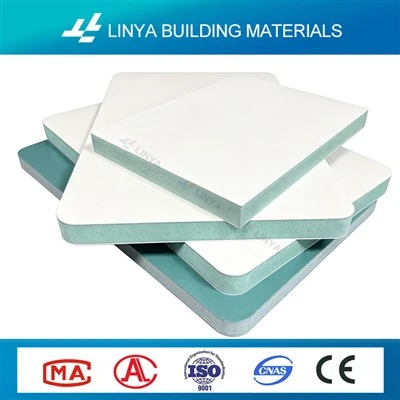
In conclusion, formwork has a far – reaching impact on the settlement of concrete. From controlling plastic settlement during the early stages to minimizing drying shrinkage over time, the proper selection and use of formwork are essential for achieving high – quality concrete structures. As a formwork supplier, we are committed to providing our clients with the best – in – class formwork solutions that take into account all the factors related to concrete settlement.
Steel Prop If you are planning a concrete project and need reliable formwork solutions to ensure proper settlement and a high – quality finish, we are here to help. Our team of experts can work with you to design and supply the most suitable formwork system for your specific needs. Feel free to reach out to us to start a discussion about your project requirements.
References
- Neville, A. M. (1995). Properties of Concrete. Pearson Education Limited.
- ACI Committee 304. (2004). Guide for Measuring, Mixing, Transporting, and Placing Concrete. American Concrete Institute.
- Dischinger, F. (1964). Theory of Structures. Springer – Verlag Berlin Heidelberg.
Shenzhen Linya Building Materials Co., Ltd.
We are one of the most professional formwork manufacturers and suppliers in China, also support customized service. Welcome to buy bulk high quality formwork in stock here from our factory. If you have any enquiry about free sample, please feel free to email us.
Address: Bantian International Center, No.5 Huancheng South Road, Ma’antang Community, Bantian Street, Longgang District, Shenzhen
E-mail: linya@formworksteelprop.com
WebSite: https://www.linyabuildingmaterials.com/
