If you’ve ever stood in the kitchen aisle of a grocery store, staring at two stacks of thin, shiny paper and wondering which one to grab—aluminium foil paper or wax paper—you’re not alone. For years, I’ve fielded this question from home cooks, caterers, and even small business owners who come to our team at [supplier name] (I’m not dropping a formal company label, because at the end of the day, we’re just a group of people who’ve spent 12 years handpicking the right aluminium foil rolls for every job) who stop by our booth at food industry trade shows or shoot me an email asking, “What’s the actual difference between these two? I’ve been using wax paper to wrap sandwiches for years, but my cousin swears aluminium foil is better.” The truth is, most of us treat these two products as interchangeable, but using the wrong one can mess up a recipe, ruin food, or even waste money. Let’s break this down, plain and simple, from someone who’s been on the manufacturing floor, talked to every kind of user, and knows the science behind each roll like the back of my hand. Aluminum Foil Paper
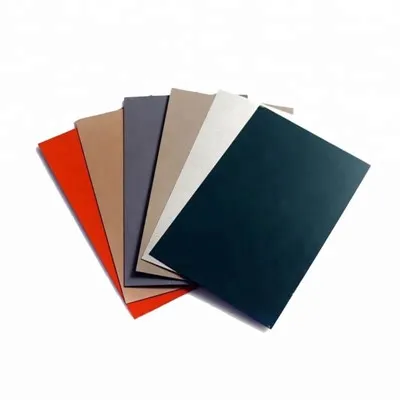
First, let’s start with the basics of what each product is made of, because that’s where all the differences stem from. I still remember my first day training at our old production plant, when the foreman handed me a roll of wax paper and a roll of our standard aluminium foil paper and said, “Stick your finger on both. Feel the difference.” The wax paper was smooth, almost soft, and when I rubbed it, there was a faint, waxy friction. The foil paper was rigid, had a metallic sheen, and if I pressed hard enough, it would crinkle. That tactile difference isn’t random—it’s the result of totally different materials and manufacturing processes.
Wax paper, sometimes called paraffin paper for its most common coating, is made by taking a base of thin, unbleached or bleached paper pulp—think of the same kind of paper used in notebook paper, just pressed thinner—and then coating both sides (usually, though sometimes only one) with a thin layer of paraffin wax. Paraffin wax is a petroleum-derived substance that’s solid at room temperature, melts at around 120 to 150 degrees Fahrenheit, and is hydrophobic, meaning it repels water. The goal here is to make paper that’s moisture-resistant, doesn’t stick to wet food, and is cheap enough to use in single applications, like wrapping a leftover sandwich or lining a lunchbox. That’s why wax paper is super common in home kitchens: it’s easy to tear, flexible, and doesn’t leave that crinkly metallic sound when you handle it.
Aluminium foil paper, on the other hand, is a product of the metalworking industry. It starts with pure aluminium ingots that are melted down, rolled into thin sheets, and then pressed repeatedly through smaller and smaller rollers until they’re only 0.0016 to 0.008 millimeters thick—thinner than a human hair, in many cases. Unlike wax paper, it’s not made from paper at all; it’s 100% metal, though some manufacturers add a thin layer of polymer or lacquer for extra durability, especially for heavier-duty rolls. The key here is that aluminium is an excellent conductor of heat and light, and it’s completely non-porous, meaning air, moisture, and bacteria can’t pass through it. That’s a huge functional difference that changes every single use case.
Now, let’s get to the part that matters most to people: how they perform in real life, and where each one works (or fails spectacularly). Let’s start with temperature resistance, because that’s the most common mistake people make. Wax paper, like my foreman told me on day one, melts when it gets too hot. That melting point of paraffin wax is right around 130 degrees Fahrenheit, which is the temperature of a hot cup of coffee, a warm leftover pizza straight from the fridge, or even the inside of a toaster oven set to low. I once had a customer, a small bakery owner, send me a photo of her lined baking sheet with wax paper and a batch of sugar cookies that were covered in waxy, yellow streaks. She’d put the wax paper in a 350-degree oven to line the sheet, and the wax had melted, seeped into the cookies, and ruined a whole morning’s work. That’s not an isolated incident—everyone who’s used wax paper in an oven, toaster oven, or even a microwave (wait, don’t even get me started on microwaves and wax paper) has had a similar story. Wax paper is only safe to use for cold or room-temperature applications: wrapping sandwiches, lining storage containers, separating layers of baked goods to keep them from sticking together, or covering dough while it rises in the fridge. If it gets above 150 degrees, it’s not just useless—it can leave a weird, waxy residue on food, and in some cases, the thin paper can catch fire if it’s too close to a heating element.
Aluminium foil paper, by contrast, can handle extreme temperatures. The melting point of aluminium is around 1,220 degrees Fahrenheit, so it’s totally safe in ovens, on grill grates, or even in the freezer (we regularly supply foil rolls to catering companies that use them to wrap whole turkeys for roasting, and they come out perfect every time). That’s why aluminium foil is the go-to for cooking: wrapping foods to hold in moisture when roasting, lining baking sheets to catch grease and make cleanup easier, covering loaves of bread while they bake to keep the crust from burning, or even making makeshift tents for roasts to protect them from over-browning. The heat conductivity is another big win: when you wrap something in aluminium foil, it distributes heat evenly, so a roast cooks more thoroughly from all sides, and leftovers reheat faster in a foil-wrapped container than they would in wax paper or a plastic container.
Next, let’s talk about barrier properties—what each one keeps in or out. This is where the functional difference between home use and commercial use really shines. Wax paper’s barrier is only as good as its wax coating. It repels water, so it can keep a sandwich from getting soggy from a tomato slice, but it’s porous to air and oil. That means if you wrap a block of cheese in wax paper and leave it in the fridge for a week, it’ll dry out and get hard because air is seeping through. If you wrap a greasy burger in wax paper, the grease will seep through the paper and leave a stain on your hands or your bag, because the wax isn’t thick enough to block fat. Aluminium foil paper, on the other hand, is 100% non-porous, so it blocks air, moisture, oil, and even light. That’s why it’s the best for freezing: wrapping meat, veggies, or baked goods in foil keeps freezer burn away because no air can get in to dry out the food. I have a customer who runs a family-owned meat market, and he swears by our heavy-duty foil rolls for wrapping whole hams and steaks. He says a steak wrapped in our foil stays fresh in the freezer for six months, while the same steak wrapped in wax paper would be freezer-burned and tasteless in two weeks. For food service businesses, that’s not just a convenience—it’s a cost saver, because you don’t have to throw away food that’s gone bad from bad packaging.
Another common point of confusion is their use in the microwave. I get this question all the time, especially from parents packing school lunches: “Can I put wax paper in the microwave to cover a bowl of mac and cheese?” The short answer is: yes, but only if it’s uncoated wax paper, and you leave a small gap for steam to escape. Wait, no—actually, let’s correct that. Most wax paper on the market today is coated with a thin layer of plastic (not just paraffin) to make it sturdier, and that plastic can melt or release harmful chemicals when heated in the microwave. Aluminium foil paper, on the other hand, is metal, and metal in the microwave is a fire hazard. The microwaves bounce off the metal surface, creating sparks that can ruin your microwave and start a fire. I’ve seen it happen: a college student in my hometown tried to reheat a burrito wrapped in foil, and ended up with a charred microwave and a $200 repair bill. So rule of thumb: never put aluminium foil in the microwave, and only use wax paper in the microwave if it’s explicitly labeled as microwave-safe (and even then, leave a gap).
Now, let’s talk about durability and ease of use, because that’s what matters for both home cooks and commercial users. Wax paper is thin and flexible, but it can tear easily if you pull it too hard or wrap something with sharp edges, like a chicken bone. It also sticks to things if they’re wet or warm, which is why you’ll sometimes get a piece of wax paper stuck to a hot cookie you just pulled out of the oven (we already know what happens when you put wax paper in the oven, so that’s a avoidable mistake). Aluminium foil paper is more rigid, but it can crumple into shape to fit any object, from a small salmon fillet to a whole turkey. It’s tear-resistant, especially our heavy-duty rolls that we make for commercial kitchens and catering companies—those can wrap a 20-pound turkey without ripping, which saves a lot of time for people who are cooking for large groups. The only downside to aluminium foil is that it can leave a metallic taste on food if it’s in contact with acidic foods, like tomatoes, citrus, or vinegar, for too long. I always tell customers to wait until after they’ve roasted a tomato-based dish to wrap it in foil, or use a plastic wrap liner if they’re storing acidic foods long-term. Wax paper doesn’t have that problem, since it’s not metal, so it’s safe for wrapping acidic foods like lemons, pickles, or tomato sandwiches.
For our team here at [supplier name], this difference isn’t just a fact to memorize—it’s what we base our entire product line on. We don’t sell wax paper (well, not right now) because our niche is aluminium foil paper, and we focus on making the right kind for every use case. A lot of our customers don’t realize that not all aluminium foil is the same. There’s standard foil for home use, which is thin and good for wrapping sandwiches, and heavy-duty foil for commercial use, which is thicker, more tear-resistant, and can handle high heat and heavy loads. We work with small bakery owners who need foil to line sheet pans for baking, catering companies that need large rolls to wrap meals for 500 people, and even fishermen who need foil to wrap their catch to keep it fresh on the way home. Every roll we ship is tested to make sure it’s non-toxic, heat-resistant, and doesn’t leave a residue on food. That’s why we’re different from the big box store brands—we don’t just mass-produce one-size-fits-all foil; we tailor our products to what our customers actually need.
I’ve heard a lot of myths about aluminium foil paper over the years. Some people say it’s bad for the environment because it’s metal, while wax paper is paper so it’s better for recycling. That’s a fair point, but it’s important to note that aluminium foil is recyclable at most curbside recycling centers, as long as it’s clean. Wax paper, on the other hand, has a wax or plastic coating that can make it hard to recycle, and most curbside programs won’t accept it because the coating contaminates the paper pulp. It’s not a perfect solution, but it’s worth considering when you’re choosing between the two: if you’re using wax paper once, it’s either going to end up in a landfill or a special recycling bin, while aluminium foil can be recycled over and over again (though it does require energy to produce new foil, same as any metal).
Another myth: people think aluminium foil is only for cooking, but it has tons of other uses. You can use it to line your baking sheets to make cleanup easier, to cover bread while it’s cooling to keep it fresh, to make a funnel for pouring oil, or even to polish silver (I won’t get into that, but trust me, it works). Wax paper’s other uses are limited: it’s good for lining drawers to keep them clean, separating craft paper, or wrapping presents if you don’t have wrapping paper, but that’s about it.

At the end of the day, the choice between aluminium foil paper and wax paper comes down to what you’re using it for. If you’re wrapping a cold sandwich, lining a storage container, or separating layers of cookies, wax paper works fine. If you’re roasting a turkey, lining a baking sheet, wrapping food for the freezer, or cooking on the grill, aluminium foil paper is the only option that will work. That’s where we come in. For the past decade, we’ve been supplying high-quality, durable aluminium foil paper to home cooks, small businesses, and large food service operations, and we know exactly what works for different needs. We don’t just sell rolls of foil; we offer advice, answer questions, and work with our customers to find the right product for their specific job. If you’re tired of ruining batches of cookies with wax paper, or if you’re a caterer who needs reliable foil for large events, we’d love to chat. Whether you’re a small business owner looking to place a bulk order or a home cook who has a question about which foil roll is right for your next project, we’re here to help. Just reach out, and we’ll walk you through everything you need to know—no sales pitch, just honest advice from a team that’s been in the aluminium foil business for years.
Laminated Aluminum Foil References
- Kraft Heinz Company. (2022). Food Safety Guidelines for Food Packaging Materials.
- Aluminum Association. (2021). Properties and Applications of Aluminum Foil.
- U.S. Department of Agriculture. (2020). Food Storage and Temperature Safety.
- Paper and Packaging Board. (2019). The Science of Wax Paper and Paper-Based Packaging.
Henan Yongsheng Aluminum Industry Co., Ltd.
We are one of the most reliable aluminum foil paper manufacturers and suppliers in China. With abundant experience, we warmly welcome you to buy high-grade aluminum foil paper for sale here from our factory. All custom made products are with high quality and competitive price.
Address: Gongyi City Industrial Cluster District, Huiguo Town, Gongyi City, Henan Province
E-mail: eric@ysaluminum.cn
WebSite: https://www.ysaluminummill.com/
