Hey everyone, it’s Jake here from your go-to building curtain wall supplier. If you’ve ever stood in front of a shiny skyscraper, a cozy mid-rise office, or even a modern retail spot and thought, “How do those glass walls just… work? No leaks, no cracking, no falling apart when it rains or gets crazy hot?”, I’m gonna break down exactly why that’s possible today. The short answer? Standards and codes—they’re not just boring rulebooks, they’re the backbone of every safe, long-lasting curtain wall we install. As a supplier, I live and breathe these things, and if you’re working on a build, paying attention to these will save you so much headache later. Building Curtain Wall
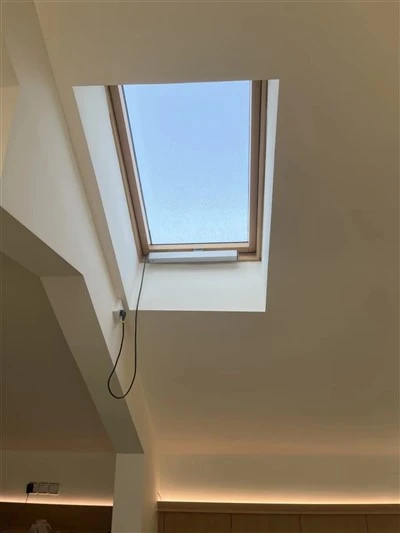
First off, let’s get one thing straight: curtain walls aren’t just pretty veneers. They’re structural elements that hold up nothing but their own weight, but they have to handle everything else—wind, rain, extreme temps, even seismic shifts if you’re on a fault line. If they’re built wrong, you’re looking at leaks, water damage, energy bills through the roof, or even safety hazards. That’s where standards come in. Unlike building codes, which are legal requirements you have to follow in every project, standards are consensus guidelines created by industry folks like engineers, architects, and suppliers (hello, that’s me) to make sure products work as intended. Codes usually reference standards, so meeting the standard is how you check the code box.
Let’s start with the big ones that most projects run into first. In the US, that’s the American Architectural Manufacturers Association (AAMA) standards—they’re basically the bible for curtain walls here. The one everyone talks about for curtain walls is AAMA 501.1, which covers water penetration resistance. Think about it: a curtain wall’s job is to keep water out, right? AAMA 501.1 tests how well it does that by spraying water at the wall at different pressures that match local wind speeds (so if you’re in Miami, that test pressure is way higher than in Denver) and checking for leaks over 15, 30, even 60 minute cycles. If our curtain walls pass that test, we know they won’t leak when a big storm hits. Then there’s AAMA 502, which is for structural performance under wind loads—so we simulate that crazy wind that slams into a 50-story building, make sure the wall doesn’t bend so much that it breaks, and that all the seals stay tight. Oh, and don’t forget AAMA 503, which covers seismic performance for areas with earthquakes—those make sure the curtain wall can move a little without falling off, because the building itself shifts during quakes. That’s non-negotiable if you’re building in California, Washington, or any high-seismic zone.
Outside the US? The ISO standards are used globally, especially in Europe and Asia. ISO 12543 is all about glass for curtain walls—covers strength, thickness, safety (like if a panel breaks, it doesn’t send shards flying), and even how it holds up to UV rays so it doesn’t yellow over time. ISO 14092 is for the whole curtain wall system, testing water, air, wind, and structural performance just like AAMA but aligned for international builds. If we ship curtain walls to a project in Singapore, for example, we make sure they meet both ISO and whatever local codes the city has, because we’re here to make your life easy, not make you chase around random specs.
Wait, can’t forget NFPA standards either—those are fire safety standards from the National Fire Protection Association. Curtain walls are often made with glass, metal, and sealants that can melt or burn in a fire, so NFPA 285 is a big one here. It tests how curtain wall assemblies perform when exposed to a full-scale fire, making sure they don’t spread flames up the facade, and that they stay intact long enough for people to evacuate. Last thing you want is a fire on one floor of a skyscraper and the curtain wall helping it spread to the top. As a supplier, we only carry curtain wall components that are NFPA 285 listed, so you can pass fire inspections no problem.
Now, let’s talk about what this actually means for you, the builder or architect I’m working with. I’ve seen so many projects cut corners on testing, thinking “it’s just a wall, it’ll work”, and then get hit with delays and extra costs. A client of mine in Austin a few years ago decided to go with a cheaper curtain wall supplier that cut corners on AAMA 501.1 testing. Six months after install, we had a random rainstorm that dumped 10 inches in an hour, and the whole west side of the building leaked. They had to rip out 200 panels, re-seal them, and add extra flashing—cost them $500k and pushed their move-in date back 3 months. That’s why we test every single curtain wall system we supply, not just sample panels. We send our full mockups to third-party labs, so you don’t have to worry about that headache.
Another big one that’s super relevant for everyone right now: energy codes. The International Energy Conservation Code (IECC) is part of most US building codes, and it sets requirements for how well a curtain wall insulates. AAMA also has standards for thermal performance, like AAMA 1503, which rates how much heat passes through the glass and frame. If you’re in a cold climate, you want a curtain wall with a low U-value (that’s the measure of heat transfer) so your heating bills don’t skyrocket in winter. In hot places, a low solar heat gain coefficient (SHGC) is key, so you don’t have to blast AC all day. As a supplier, we can help you pick the right glass and frame combo that meets your local IECC requirements—no guesswork, just straight-up specs that work for your climate.
What about material-specific standards? Like, if you’re using aluminum frames (which is super common for most curtain walls), there’s ASTM B221, which covers the quality of aluminum alloy and temper. No flimsy, low-grade aluminum here—ASTM B221 ensures it’s strong enough to handle wind and weight. For stainless steel hardware that holds the curtain wall together, ASTM A276 is the standard—makes sure it doesn’t rust, even in coastal areas where salt air eats away at metal. And sealants, those tiny but critical parts that keep water and air out? ASTM C920 is the standard for sealant performance, so we use only sealants that won’t crack or shrink after 10+ years of being exposed to sun, rain, and temperature swings.
Wait, let’s clear up a common mix-up: standards vs. code enforcement. Standards are developed by independent, consensus-based groups, so they’re reliable, but codes are legally binding. That means when your local building department does an inspection, they’re going to check that you met the relevant codes, which in almost all cases reference those AAMA, ISO, NFPA, ASTM standards. So if you use a curtain wall that’s tested to AAMA 501.1, you’re not just meeting a guideline—you’re checking the box for your local code, whether that’s California’s CBC (Building Code), New York City’s NYC Building Code, or Texas’s TABC.
I get it, all these acronyms can feel overwhelming. That’s why as a curtain wall supplier, my job isn’t just to ship you panels. I’ll walk you through which standards apply to your specific project. If it’s a mid-rise office in Chicago, I’ll make sure your wall meets AAMA 501.1 for wind, AAMA 502, IECC for energy, and whatever seismic requirements Illinois has. If it’s a high-rise resort in Dubai, we’ll align with UAE codes and ISO standards, plus test for extra high wind pressure and extreme heat. I’ve worked on projects all over North America and a handful of international spots, so I know exactly what each location needs.
One thing I always emphasize to new clients: don’t skip the mockup. Even if you meet all the standards on paper, a full-scale mockup of your curtain wall installation will catch issues that small sample tests don’t. Maybe the sealant gaps are off, or the way the panels are mounted doesn’t line up with the building structure. We include free mockups for all our custom curtain wall orders, because that’s how we make sure the final product is perfect before we install anything on your building. It’s part of our process, not an extra fee, which saves you time and stress.
Let’s also talk about the future of these standards, because they’re always evolving. With more focus on sustainability, new standards for recycled materials and circular curtain walls are popping up. AAMA is working on guidelines for curtain walls that are easier to repair or take apart at the end of their life, so you don’t have to tear the whole thing out when you renovate. NFPA is updating fire standards to account for new types of glass and frame materials that are more energy-efficient. As a supplier, we stay on top of all these updates, so you don’t have to. We invest in ongoing training for our team, so we know exactly how the latest standards will affect your project, whether that’s new testing requirements or new material options.
I know this stuff might feel like a lot if you’re not a curtain wall expert. But at the end of the day, these standards and codes exist for one simple reason: to make sure the building you’re working on is safe, durable, and performs like it’s supposed to. We’ve all seen a building with a leaky facade, or one where the glass looks foggy after a few years—those are the projects that cut corners on standards. And no one wants that on their watch.
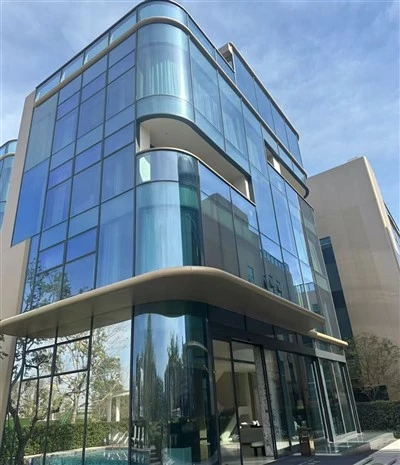
If you’re working on a new build, a renovation, or even just have questions about curtain wall standards for your project, I’m here to help. We don’t just sell products—we partner with builders, architects, and general contractors to make sure your curtain wall project goes smoothly, meets all code requirements, and lasts for decades. Drop us a line to chat about your next project, no pressure, just honest advice from someone who’s been in this industry for years and knows these standards inside and out.
Aluminum Doors and Windows References:
- American Architectural Manufacturers Association (AAMA) 501.1-2020, Standard Test Method for Water Penetration of Exterior Walls, Windows, Doors, and Curtain Walls by Uniform Static Air Pressure Difference
- International Code Council (ICC) International Building Code (IBC), 2021 Edition
- International Energy Conservation Code (IECC), 2021 Edition
- National Fire Protection Association (NFPA) 285-2022, Standard Method of Fire Test for Exterior Non-Load-Bearing Wall Assemblies Containing Combustible Components
- ISO 12543-1:2021, Glass in Building – Laminated Glass and Laminated Safety Glass – Part 1: Definition and Description
- ASTM International B221-22, Standard Specification for Aluminum and Aluminum-Alloy Extruded Bars, Rods, Wire, Profiles, and Tubes
- ASTM International C920-22, Standard Specification for Elastomeric Joint Sealants
Huangshan City Anxin Decoration Company
We are one of the most reliable building curtain wall manufacturers and suppliers in China. With a professional production team, we are able to meet the needs of the majority of our customers. Please feel free to wholesale customized building curtain wall made in China here from our factory. Contact us for more details.
Address: Donglinxi Town,Xiuning County,Huangshan City,Anhui Province
E-mail: 1002501553@qq.com
WebSite: https://www.anxinfacade.com/
