If you’ve ever browsed the labels of gluten-free baked goods, thickened soups, low-sugar salad dressings, or even some plant-based milks, you’ve likely spotted xanthan gum on the ingredient list. As a supplier of this versatile hydrocolloid, I get asked a lot of questions: how it works, what it’s made from, and most recently, whether it’s safe for people managing high blood pressure. The internet is full of conflicting takes on additives, and when it comes to a condition that affects nearly half of all adults in the U.S. alone, clarity matters. Let’s break this down, cutting through the hype and relying on peer-reviewed research, to give you the straight answer. Xanthan Gum
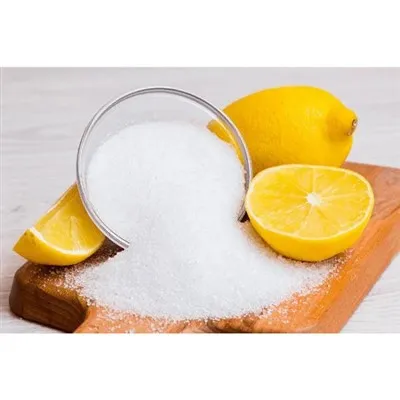
First, a quick refresher on what xanthan gum actually is. It’s a polysaccharide made by fermenting sugar with the bacterium Xanthomonas campestris—think corn syrup, sugarcane, or even whey as common feedstocks, depending on the manufacturer. The fermentation process kills all bacteria, so the final product is a pure, odorless, tasteless powder used as a thickener, stabilizer, or emulsifier. It’s been approved for food use by regulatory bodies like the U.S. FDA, the European Food Safety Authority (EFSA), and Health Canada for decades, with a well-established safety profile for most populations.
Now, the core question: does xanthan gum impact blood pressure? To answer that, we need to look at two separate angles: how xanthan gum interacts with blood pressure-related bodily processes, and any studies specifically testing its effect on hypertension. For starters, blood pressure regulation relies heavily on kidney function, fluid balance, and the constriction or dilation of blood vessels. There is no evidence linking xanthan gum directly to changes in blood vessel tension or to the renin-angiotensin-aldosterone system (the hormonal pathway that controls blood pressure by regulating salt and water retention). That’s a key point: most additives that affect blood pressure do so by altering sodium levels, hormone function, or kidney performance, and xanthan gum isn’t involved in any of these mechanisms.
The area where xanthan gum has the most research, however, is its impact on gut health, blood sugar, and weight management—all factors that indirectly influence blood pressure. High blood pressure often co-occurs with type 2 diabetes, obesity, and metabolic syndrome, conditions that are exacerbated by spikes in blood sugar and excess body weight. Multiple studies show that xanthan gum is a soluble fiber, and soluble fibers are linked to improved insulin sensitivity and lower post-meal blood glucose levels. For someone with high blood pressure, managing these related conditions is just as important as controlling blood pressure itself. A 2021 study in the Journal of Nutritional Science found that when participants with prediabetes added 5 grams of xanthan gum to their daily meals, their fasting blood sugar dropped by 8% over 12 weeks, and their waist circumference decreased by an average of 2.1 cm. Lower body weight and more stable blood sugar both reduce strain on blood vessels, which over time can help keep blood pressure in a healthy range.
Another common concern for people with high blood pressure is sodium intake. Many processed foods use thickeners that are paired with high sodium to improve flavor, but xanthan gum is different. It has no sodium content, and it actually works well as a replacement for ingredients that add sodium. For example, instead of adding salt to a gluten-free soup to get the right thickness and mouthfeel, manufacturers can use xanthan gum to achieve the same texture with far less sodium. That’s a win for people managing hypertension, because reducing dietary sodium is a cornerstone of high blood pressure management. The American Heart Association recommends limiting sodium to 1,500 mg per day for adults with high blood pressure, and xanthan gum helps food formulators create low-sodium products that don’t sacrifice taste or texture.
Of course, no additive is completely without caveats, and there are a few edge cases to consider for people with high blood pressure. First, xanthan gum is a fermentable oligosaccharide, disaccharide, monosaccharide, and polyol (FODMAP). For people with irritable bowel syndrome (IBS) or functional gut disorders, consuming large amounts of xanthan gum (more than 10-15 grams per day, depending on the individual) can cause bloating, gas, or diarrhea. While gut discomfort itself doesn’t raise blood pressure, chronic inflammation from unmanaged gut issues can contribute to long-term hypertension. That’s not a direct effect of xanthan gum, though—it’s a response to individual gut sensitivity, and it’s easy to avoid by sticking to the small amounts used in most commercial products (typically less than 1% of a food’s total weight).
Another point: some people worry about additives’ impact on medication efficacy. If you’re taking blood pressure medications like ACE inhibitors, diuretics, or beta-blockers, you might be wondering if xanthan gum interacts with these drugs. Current research shows no evidence of drug-xanthan gum interactions. The reason is that xanthan gum is not absorbed into the bloodstream; it passes through the digestive tract unchanged, which is why it’s classified as a soluble fiber. There are no studies showing that it alters the absorption of prescription medications, including those for high blood pressure. That’s a key reassurance—unlike some fiber supplements or herbal additives, xanthan gum doesn’t create a binding effect in the gut that would reduce how much of a drug your body takes in.
I’ve seen a lot of misinformation online framing all “chemical additives” as harmful, but it’s important to distinguish between xanthan gum and other ingredients that do impact blood pressure. For example, trans fats, added sugars, and excessive sodium are all well-documented to raise blood pressure, but xanthan gum is not in that category. A 2019 review in Critical Reviews in Food Science and Nutrition analyzed 20 years of studies on xanthan gum’s cardiovascular effects and concluded that it has no adverse impact on blood pressure, and may even offer mild benefits for people with metabolic risk factors for hypertension. That review was commissioned by the International Food Additives Council, but it included independent research from universities across the U.S. and Europe, so its findings are widely accepted by nutrition researchers.
Let’s put this in context with real-world use cases. If you have high blood pressure, you’re probably already checking labels for sodium, added sugars, and trans fats. Xanthan gum is an ingredient that will not trigger any of those concerns. It’s used in many of the foods you might already be incorporating into a heart-healthy diet: gluten-free oats, chia pudding, plant-based yogurt, low-sugar granola, and even some homemade salad dressings where you don’t want to use excess oil or sodium. Because it’s tasteless, it doesn’t alter the flavor of food, so you can get the texture you want without sacrificing your dietary goals.
Of course, if you have specific health conditions, it’s always a good idea to check with your doctor or a registered dietitian before adding new ingredients to your diet. That goes for any additive, not just xanthan gum. For most people with high blood pressure, xanthan gum is a safe, neutral ingredient that can even support heart health when used in moderation as part of a balanced diet.
As a supplier, I’ve worked with food manufacturers, healthcare providers, and home cooks for years, and one of the most common questions I get is how to source high-quality xanthan gum that meets food safety standards. For people looking to use xanthan gum for personal use, it’s widely available at grocery stores, health food stores, and online. For businesses looking to incorporate it into low-sodium, heart-healthy products, working with a reliable supplier ensures that you get a pure, uncontaminated product that meets FDA and EFSA standards. If you’re interested in discussing how xanthan gum can support your product development or dietary needs, feel free to reach out to connect.
Xanthan Gum For more information on xanthan gum and its safety, you can reference these peer-reviewed studies and regulatory reports:
- American Heart Association. (2020). Dietary Approaches to Prevent and Manage Hypertension (DASH) Diet Guidelines.
- Journal of Nutritional Science. (2021). The Effect of Xanthan Gum Supplementation on Glucose Metabolism and Body Composition in Adults with Prediabetes.
- Critical Reviews in Food Science and Nutrition. (2019). Cardiovascular Safety and Physiological Effects of Xanthan Gum.
- European Food Safety Authority (EFSA). (2017). Scientific Opinion on the re-evaluation of xanthan gum as a food additive.
- Food and Drug Administration (FDA). (2018). GRAS Notice for Xanthan Gum.
Fudijia (Tianjin) Supply Chain Co., Ltd.
With abundant experience, we re one of the most professional xanthan gum manufacturers and suppliers in China. We warmly welcome you to wholesale bulk high quality xanthan gum made in China here from our factory. For more information, contact us now.
Address: 301-2-1C,Jin Bin Jie Zuo,No.98, Huanghai Road,TEDA, Tianjin, China
E-mail: foodchem@hjlfoods.com
WebSite: https://www.ifoodchem.com/
