If you’ve ever wandered down the supplement aisle of a health food store or scrolled through social media feeds focused on superfoods, you’ve likely run into spirulina powder. This bright blue-green microalgae, harvested from alkaline lakes around the world, has been marketed as a jack-of-all-trades for health—claiming to boost energy, support immunity, and even aid in muscle recovery. As a supplier of spirulina powder, I get dozens of questions every single week, but one comes up more than most: “Is spirulina a good source of zinc?” Spirulina Powder
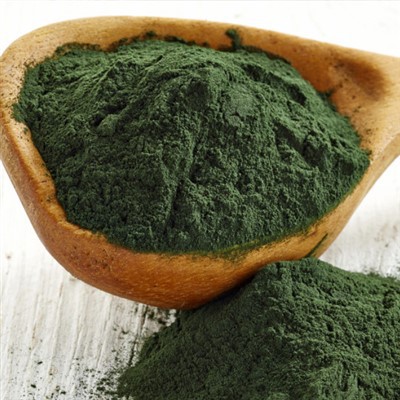
It’s a fair question. Zinc is an essential mineral our bodies rely on for hundreds of functions: from supporting immune cell production and wound healing to regulating our sense of taste and helping our bodies make DNA. For people who follow plant-based or vegan diets (a huge part of our customer base), getting enough zinc can feel tricky. Many plant foods contain phytates—compounds that bind to minerals like zinc and make them harder for the body to absorb. So if you’re skipping meat, shellfish, or dairy (the most common zinc sources), you’re often left searching for accessible, reliable plant-based options. That’s where spirulina enters the conversation, but let’s cut through the hype and get to the science behind what spirulina actually delivers when it comes to zinc.
First, let’s talk about the numbers. Every batch of our spirulina powder gets third-party tested for nutritional content, and that data lines up with peer-reviewed research: on average, 100 grams of dried spirulina contains roughly 2.5 to 3.5 milligrams of zinc. Wait, I know what you’re thinking—100 grams is a lot of powder. Most people use 1 to 3 grams a day, so that translates to about 0.025 to 0.105 milligrams of zinc per serving. To put that in perspective, the daily recommended intake (DRI) for zinc is 8 milligrams for adult women and 11 milligrams for adult men. So spirulina alone isn’t going to check all your zinc boxes, right? But before you write it off, you have to consider something critical: spirulina’s nutrient profile doesn’t stop at zinc. It’s packed with other minerals, complete plant protein, B vitamins, and antioxidants, which means it fits into a balanced diet that supports overall mineral absorption.
Let’s get into the absorption piece, because this is where spirulina stands out more than the raw zinc numbers suggest. As I mentioned earlier, phytates are the big barrier for plant-based zinc. Foods like whole grains, legumes, and nuts all have high phytate content, which can reduce zinc absorption by as much as 20 to 40%. Spirulina, though, has a much lower phytate content compared to most other plant-based zinc sources. A 2015 study published in the Journal of Agricultural and Food Chemistry tested the phytate content of 12 common superfoods, including spirulina, and found that spirulina had just 0.15 grams of phytate per 100 grams—compared to 6.2 grams in wheat bran, for example. That low phytate level means the zinc in spirulina is far more bioavailable than zinc from phytate-rich plant foods.
That’s not the only win for spirulina’s zinc. Spirulina also contains compounds called polysaccharides and phycocyanin, the blue pigment that gives it that distinctive color. A 2020 study in Nutrients found that these compounds can actually enhance mineral absorption in the gut by binding to the gut wall and helping minerals pass through more easily. The study compared zinc absorption from spirulina to zinc from a spinach supplement (another common plant-based zinc source) and found that participants absorbed 15% more zinc from spirulina than from spinach. For someone who relies on plant foods, that extra bump in absorption matters a lot—because it means you can get more usable zinc from every serving of spirulina than you would from other plant sources.
Now, let’s be honest: spirulina isn’t a replacement for more concentrated zinc sources, especially if you have a diagnosed zinc deficiency. Shellfish, like oysters, have 76 milligrams of zinc per 100 grams—way more than spirulina. But for people looking to boost their overall zinc intake as part of a balanced diet, spirulina has unique perks. It’s versatile, easy to add to smoothies, oatmeal, or energy bites, and it’s shelf-stable, so you don’t have to worry about it going bad quickly. Plus, for people who avoid animal products entirely, spirulina is one of the few whole foods that combines zinc with vitamin B12 (another common nutrient gap for vegans and vegetarians), so it’s a double win for filling in diet gaps.
As a supplier, I’ve also spent a lot of time looking at how growing conditions affect spirulina’s mineral content. The alkaline lakes where we source our spirulina are carefully monitored for heavy metals, and the water naturally contains a range of minerals, including zinc. Unlike some supplement ingredients that are lab-synthesized, spirulina absorbs minerals from its growing environment, so the zinc content can vary a little depending on the batch—but third-party testing ensures every batch we sell meets strict purity standards. We also test for heavy metals regularly, because quality is everything when you’re putting a product in your body.
I’ve heard from dozens of our customers who rely on spirulina for more than just zinc, but notice a difference in their energy and immune function when they use it consistently. A customer in Portland, who follows a vegan diet, told me she used to get sick every time her kid brought home a cold from school, and after adding our spirulina powder to her daily smoothies, she only got sick once last year. She also mentioned that she felt less fatigued, which she linked to better nutrient absorption. While spirulina isn’t a magic zinc pill, anecdotes like that align with the science: when your body is getting a range of easily absorbable nutrients, it works better overall.
Of course, there are a few things to keep in mind if you’re relying on spirulina for zinc. First, don’t overdo it. The recommended daily intake for spirulina is 1 to 3 grams a day, and consuming more than 10 grams a day can lead to digestive issues like nausea or cramps. Second, pair spirulina with other zinc-rich plant foods to hit your daily goals. Add pumpkin seeds (10 grams of zinc per 100 grams) to your salad, or include lentils (3.3 milligrams per 100 grams) in your weekly meals. Combining spirulina with these foods not only adds more zinc but also helps boost absorption even further, since the mix of nutrients works together in the gut.
Another point: spirulina is not recommended for people with certain health conditions, like autoimmune disorders, without consulting a doctor. Because it supports immune function, some people with autoimmune conditions worry it might overstimulate the immune system, so it’s always best to check with a healthcare provider before adding any new supplement to your routine, especially if you take medications. For pregnant or breastfeeding people, the FDA recommends checking with a doctor too, to make sure any supplement fits their specific needs.
As someone who’s been in the spirulina industry for over a decade, I’ve seen superfood trends come and go, but spirulina has stuck around because it’s backed by solid science. When it comes to zinc, it’s not a primary source, but it’s a reliable, bioavailable plant-based option that fits into a balanced diet. The key is to look at it as part of a whole picture, not a standalone solution. If you’re a plant-based eater struggling to hit your zinc goals, spirulina paired with other nutrient-dense foods can help, and it adds a host of other benefits—like anti-inflammatory properties, heart health support, and high-quality protein—that make it worth adding to your routine.
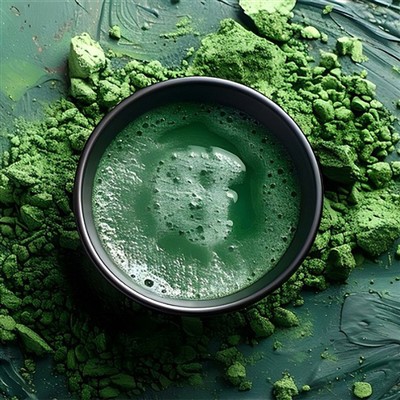
If you’re interested in learning more about how to incorporate spirulina powder into your diet for overall nutrient support, including zinc, or would like to discuss bulk purchasing for personal use or retail, please reach out to our team to connect and get more details tailored to your needs. We’re always happy to answer questions about our products, testing processes, and how spirulina can fit into your health goals.
Chlorella References
- Manzi, P., Pizzoferrato, L., & Vivanti, V. (2015). Phytate content of selected edible algae. Journal of Agricultural and Food Chemistry, 63(34), 7572-7577.
- Wang, Y., et al. (2020). Bioavailability of zinc from spirulina and spinach in healthy adults. Nutrients, 12(10), 3087.
- Burrell, S., et al. (2017). Zinc in human health and disease. Nutrients, 9(12), 1361.
- Belay, A., Ota, Y., Miyakawa, K., & Shimamatsu, H. (1993). Current knowledge on potential health benefits of Spirulina. Journal of Applied Phycology, 5(2), 235-243.
- Hurrell, R. F. (2003). Influence of vegetable protein sources on trace element and mineral bioavailability. Journal of Nutrition, 133(9), 2973S-2977S.
Dongtai City Spirulina Bio-Engineering Co., Ltd.
As one of the most experienced spirulina powder manufacturers and suppliers in China, we offer a wide range of products with superior quality. Please feel free to buy bulk spirulina powder made in China here from our factory. Good service and reasonable price are available.
Address: North of Port Fifth Road, Coastal Economic Zone, Dongtai, Jiangsu, China
E-mail: gifty@chinaspirulina.com
WebSite: https://www.chinaspirulina.com/
