Hey there! I’m a supplier of hospital elevators, and today I want to dig into a pretty interesting question: Can hospital elevators operate in a negative – pressure environment? Hospital Elevator

Let’s first talk about what a negative – pressure environment is. In a hospital, negative – pressure rooms are used to isolate patients with infectious diseases. The air pressure inside these rooms is lower than the surrounding areas. This is done to prevent the spread of harmful airborne particles. Air is constantly being sucked into the negative – pressure area, and the filtered air is then exhausted outside the building.
Now, when it comes to elevators in a hospital, they play a crucial role. They transport patients, medical staff, and equipment between different floors. But can they function properly in a negative – pressure setup?
The Technical Challenges
One of the main concerns is the air flow. In a negative – pressure environment, the air is constantly moving in a specific direction. Elevators have their own ventilation systems. If the elevator is operating in a negative – pressure area, the air flow from the elevator’s ventilation might interfere with the negative – pressure balance.
For example, if the elevator’s ventilation system blows air out too strongly, it could disrupt the negative – pressure gradient. This might allow contaminated air to escape from the negative – pressure zone, which is a big no – no in a hospital setting.
Another issue is the seals. Elevators need to have tight seals to prevent air leakage. In a negative – pressure environment, any small gap could let in unfiltered air. Our elevators are designed with high – quality seals, but maintaining these seals in a negative – pressure area can be tricky. The constant pressure difference can put stress on the seals over time, causing them to wear out faster.
The Benefits of Operating in a Negative – Pressure Environment
Despite the challenges, there are some good reasons to have elevators that can operate in a negative – pressure environment.
First of all, it can improve infection control. If a patient with an infectious disease needs to be transported between floors, having an elevator that can maintain the negative – pressure environment means that the risk of spreading the disease is reduced. The air inside the elevator can be filtered and kept isolated from the rest of the hospital.
Secondly, it can enhance the efficiency of the hospital. Instead of having to use special transport methods for patients in negative – pressure rooms, a negative – pressure elevator can be used just like a regular elevator. This saves time and resources for the hospital staff.
How We Address the Challenges
As a hospital elevator supplier, we’ve put a lot of thought into these problems. We’ve developed advanced ventilation systems for our elevators. These systems are adjustable, so we can control the air flow to make sure it doesn’t disrupt the negative – pressure balance.
We also use high – quality, durable seals. Our engineers have tested these seals under different pressure conditions to ensure they can withstand the constant stress. And we provide regular maintenance services to check and replace the seals as needed.
In addition, our elevators are equipped with sensors. These sensors can detect changes in air pressure and adjust the ventilation system accordingly. For example, if the negative – pressure outside the elevator changes, the sensors will send a signal to the ventilation system to make the necessary adjustments.
Real – World Applications
We’ve had some experience with installing our elevators in hospitals with negative – pressure requirements. In one case, a large hospital was dealing with an outbreak of a highly contagious disease. They needed a reliable way to transport patients between different floors without spreading the disease.
We installed our negative – pressure elevators, and it made a huge difference. The hospital staff reported that the risk of cross – infection was significantly reduced. The elevators were easy to operate, and the ventilation system worked well to maintain the negative – pressure environment.
Cost Considerations
Of course, having elevators that can operate in a negative – pressure environment comes with a cost. The advanced ventilation systems, high – quality seals, and sensors all add to the price. But when you consider the benefits in terms of infection control and efficiency, it’s a worthy investment for many hospitals.
Some hospitals might be hesitant because of the upfront cost. But we offer flexible payment options and long – term maintenance contracts. This helps to spread out the cost and ensures that the elevators are always in top – notch condition.
Conclusion
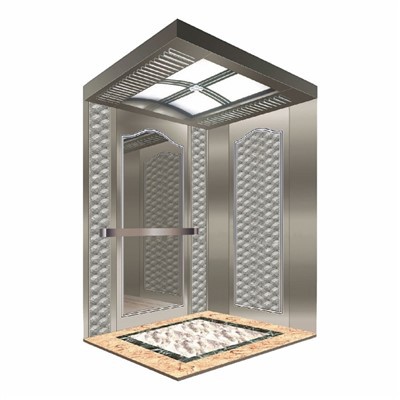
So, to answer the question, yes, hospital elevators can operate in a negative – pressure environment. There are challenges, but with the right technology and design, these challenges can be overcome.
Car Elevator If you’re a hospital administrator or in charge of purchasing equipment for a medical facility, and you’re interested in our negative – pressure elevators, I’d love to have a chat with you. We can discuss your specific needs, the installation process, and the cost. Just reach out, and we can start a conversation about how our elevators can improve the safety and efficiency of your hospital.
References
- Hospital Infection Control Guidelines, World Health Organization
- Elevator Engineering Manual, American Society of Mechanical Engineers
- Research on Negative – Pressure Ventilation in Healthcare Facilities, Journal of Hospital Management
Weibo Elevator Co., Ltd.
We’re well-known as one of the leading hospital elevator manufacturers and suppliers in China, specialized in providing high quality custom service for global clients. We warmly welcome you to buy high-grade hospital elevator at competitive price from our factory.
Address: Dongxiang Road, Nanxun Economic Development District, Huzhou City, Zhejiang Province, China
E-mail: zoey@webstar.net.cn
WebSite: https://www.webstar-elevators.com/
