In the biopharmaceutical and cell culture industries, the process of filtration is of utmost importance. One key product in this field is the Clarification Microfiltration Cassettes. As a supplier of these cassettes, I am often asked the question: Can Clarification Microfiltration Cassettes be used for filtering cell cultures? In this blog, I will delve into this topic, exploring the suitability, advantages, and considerations when using these cassettes for cell culture filtration. Clarification Microfiltration Cassettes
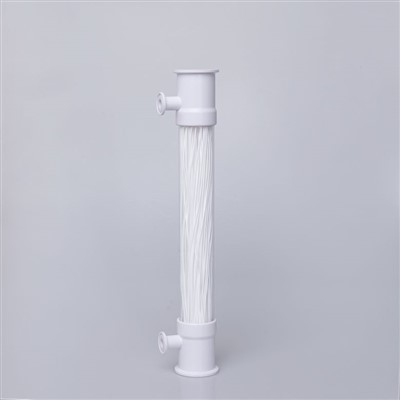
Understanding Clarification Microfiltration Cassettes
Clarification Microfiltration Cassettes are designed to remove particulate matter, debris, and microorganisms from liquids. They typically consist of a membrane with a specific pore size, which allows for the separation of different components based on their size. The cassettes are available in various pore sizes, ranging from 0.1 µm to 1.2 µm, to meet different filtration requirements.
The membrane material used in these cassettes can vary, including polyethersulfone (PES), cellulose acetate, and nylon. Each material has its own unique properties, such as chemical resistance, flow rate, and protein binding characteristics. The choice of membrane material depends on the specific application and the nature of the sample being filtered.
Suitability for Cell Culture Filtration
Cell culture is a delicate process that requires strict control of the culture environment to ensure the growth and viability of cells. Filtration plays a crucial role in maintaining the purity of the culture medium and preventing contamination. Clarification Microfiltration Cassettes can be an effective tool for filtering cell cultures, provided that the appropriate cassette is selected based on the specific requirements of the cell culture.
One of the main advantages of using Clarification Microfiltration Cassettes for cell culture filtration is their ability to remove particulate matter and debris from the culture medium. This helps to prevent clogging of the culture vessels and improves the overall quality of the culture. Additionally, the cassettes can remove microorganisms, such as bacteria and fungi, which can contaminate the culture and affect cell growth.
Another advantage of using these cassettes is their high flow rate. This allows for rapid filtration of large volumes of culture medium, which is particularly important in large-scale cell culture operations. The cassettes are also designed to be easy to use and can be integrated into existing filtration systems.
Considerations for Using Clarification Microfiltration Cassettes in Cell Culture
While Clarification Microfiltration Cassettes can be used for filtering cell cultures, there are several considerations that need to be taken into account to ensure the success of the filtration process.
Pore Size Selection
The pore size of the cassette is a critical factor in determining its suitability for cell culture filtration. A pore size that is too small may result in clogging and reduced flow rate, while a pore size that is too large may allow microorganisms and debris to pass through. The choice of pore size depends on the size of the cells being cultured and the type of contaminants that need to be removed.
Membrane Material
As mentioned earlier, the membrane material used in the cassette can have a significant impact on the filtration process. Some membrane materials may bind to proteins or other components in the culture medium, which can affect cell growth. It is important to choose a membrane material that is compatible with the culture medium and does not have a negative impact on cell viability.
Sterility
Maintaining sterility is crucial in cell culture. The cassettes should be sterilized before use to prevent contamination of the culture. This can be achieved through autoclaving, gamma irradiation, or other sterilization methods. It is also important to handle the cassettes in a sterile environment to prevent the introduction of contaminants.
Compatibility with Culture Medium
The culture medium used in cell culture can contain various components, such as proteins, growth factors, and salts. It is important to ensure that the cassette is compatible with the culture medium and does not interact with its components. Some cassettes may be designed specifically for use with certain types of culture media, so it is important to choose the appropriate cassette based on the culture medium being used.
Case Studies
To illustrate the effectiveness of Clarification Microfiltration Cassettes in cell culture filtration, let’s look at a few case studies.
Case Study 1: Filtering Hybridoma Cell Culture
A biotech company was culturing hybridoma cells to produce monoclonal antibodies. The culture medium was contaminated with particulate matter and debris, which was affecting the growth and productivity of the cells. The company decided to use a Clarification Microfiltration Cassette with a pore size of 0.2 µm to filter the culture medium. After filtration, the culture medium was clear, and the cells showed improved growth and productivity.
Case Study 2: Filtering Stem Cell Culture
A research institution was culturing stem cells for regenerative medicine applications. The culture medium needed to be filtered to remove any contaminants and ensure the purity of the stem cells. The institution used a Clarification Microfiltration Cassette with a pore size of 0.1 µm to filter the culture medium. The filtered culture medium was then used to culture the stem cells, and the cells showed normal growth and differentiation.
Conclusion

In conclusion, Clarification Microfiltration Cassettes can be used for filtering cell cultures, provided that the appropriate cassette is selected based on the specific requirements of the cell culture. These cassettes offer several advantages, including the ability to remove particulate matter and debris, high flow rate, and ease of use. However, it is important to consider factors such as pore size, membrane material, sterility, and compatibility with the culture medium to ensure the success of the filtration process.
Tangential Flow Filtration System If you are interested in using Clarification Microfiltration Cassettes for your cell culture applications, I encourage you to contact me to discuss your specific needs. I can provide you with more information about our products and help you select the most suitable cassette for your application. We are committed to providing high-quality products and excellent customer service to meet your filtration needs.
References
- Smith, J. D., & Johnson, A. B. (2018). Filtration in cell culture: Principles and applications. Biotechnology and Bioengineering, 115(1), 1-10.
- Brown, C. E., & Green, D. F. (2019). Clarification microfiltration cassettes for biopharmaceutical applications. Journal of Membrane Science, 578, 117-124.
- Jones, R. M., & Miller, S. T. (2020). Cell culture filtration: A review of current practices and challenges. Biotechnology Progress, 36(2), e3000.
Hangzhou Guidling Technology Co., Ltd.
As one of the leading clarification microfiltration cassettes manufacturers and suppliers in China, we also support customized service. We warmly welcome you to wholesale high quality clarification microfiltration cassettes in stock here from our factory. For quotation, contact us now.
Address: No.795, 18th Street, Qiantang New District, Hangzhou City, Zhejiang Province, China
E-mail: export1@guidling.net
WebSite: https://www.guidlingfiltration.com/
