As a long – standing saucepan supplier in the industry, I’ve witnessed the various problems that consumers face when using saucepans, and one of the most prevalent issues is rusting. Rust not only compromises the appearance of the saucepan but can also impact its functionality and even pose potential health risks. In this blog, I’ll share some in – depth tips on how to prevent a saucepan from rusting, drawing from both my personal experience and scientific knowledge. Saucepan

Understanding the Cause of Rust
Before we delve into the prevention methods, it’s crucial to understand what causes rust. Rust is a form of corrosion that occurs when iron or steel reacts with oxygen in the presence of water. Saucepans are typically made from metals such as stainless steel, carbon steel, or cast iron, all of which can be susceptible to rust under certain conditions.
In the case of stainless steel saucepans, although they contain chromium that forms a protective oxide layer, scratches or prolonged exposure to harsh chemicals can break this layer, allowing rust to form. Carbon steel and cast – iron saucepans are more prone to rusting because they have a higher iron content. When these metals come in contact with moisture and oxygen, a chemical reaction occurs, creating iron oxide, which we know as rust.
Choosing the Right Material
Selecting the appropriate material for your saucepan is the first step in preventing rust.
Stainless Steel: High – quality stainless – steel saucepans are a popular choice because they are resistant to rust. Look for saucepans with a high percentage of chromium (usually 16 – 18%) and nickel. These elements enhance the corrosion resistance of the steel. For example, 18/10 stainless steel, which contains 18% chromium and 10% nickel, is known for its excellent rust – resistance and durability.
Enamel – Coated: Enamel – coated saucepans are another great option. The enamel acts as a protective barrier between the metal and the environment, preventing moisture and oxygen from reaching the metal surface. However, it’s important to handle these saucepans carefully as chipping or cracking of the enamel can expose the underlying metal to rust.
Cast Iron with Seasoning: Cast – iron saucepans can be a great choice if properly maintained. Seasoning is the process of creating a non – stick, protective layer on the surface of the cast iron. This layer is made up of polymerized oil that acts as a barrier against rust. A well – seasoned cast – iron saucepan can last for generations.
Proper Cleaning and Drying
Proper cleaning and drying are essential for preventing rust.
Cleaning: After each use, wash the saucepan with warm, soapy water and a soft sponge or cloth. Avoid using abrasive cleaners or steel wool, as these can scratch the surface of the saucepan and damage the protective layer. For stubborn stains, you can soak the saucepan in warm, soapy water for a short period before gently scrubbing.
Drying: Thoroughly dry the saucepan immediately after washing. Use a clean, dry cloth to wipe the inside and outside of the saucepan, making sure to remove all traces of water. Pay special attention to the bottom and edges of the saucepan, where water tends to collect. If possible, let the saucepan air – dry for a few minutes after wiping to ensure complete dryness.
Storage
How you store your saucepan can also affect its rust – resistance.
Dry Environment: Store your saucepan in a dry place. Avoid storing it in damp areas such as the basement or near a sink where it can be exposed to moisture. If you live in a humid climate, you may consider using a dehumidifier in the storage area.
Separate Storage: Do not stack wet or damp saucepans on top of each other. This can trap moisture between the pans and increase the risk of rusting. Instead, store each saucepan separately or use a pan rack to keep them organized and dry.
Covered Storage: If possible, cover your saucepan when not in use. This can protect it from dust, moisture, and other contaminants. You can use a pan lid, a cloth cover, or a plastic storage bag.
Additional Preventive Measures
There are some additional steps you can take to prevent rust.
Oil Treatment: For carbon – steel and cast – iron saucepans, applying a thin layer of oil after each use can help prevent rust. You can use cooking oil such as vegetable oil or grape – seed oil. Simply apply a small amount of oil to a clean, dry cloth and rub it evenly over the inside and outside of the saucepan. Wipe off any excess oil.
Avoid Saltwater Exposure: Saltwater accelerates the rusting process. Avoid using your saucepan to cook or store saltwater solutions. If you accidentally get saltwater in the saucepan, rinse it thoroughly with fresh water and dry it immediately.
Regular Inspection: Periodically inspect your saucepan for any signs of rust or damage. If you notice a small area of rust, you can remove it using a fine – grit sandpaper or a rust remover. After removing the rust, make sure to clean and dry the area thoroughly and apply a protective coating if necessary.
The Role of Quality Manufacturing
As a saucepan supplier, I understand the importance of quality manufacturing in preventing rust. At our production facility, we use high – grade materials and advanced manufacturing techniques to ensure that our saucepans are highly resistant to rust.
We subject our saucepans to rigorous quality control tests, including salt – spray tests, to simulate long – term exposure to harsh conditions. This helps us identify and correct any potential issues before the saucepans reach the market. Additionally, we provide detailed care instructions with each saucepan to help our customers maintain the quality of the product.
Conclusion
Preventing a saucepan from rusting requires a combination of choosing the right material, proper cleaning and drying, suitable storage, and additional preventive measures. By following these tips, you can extend the lifespan of your saucepan and keep it in excellent condition.
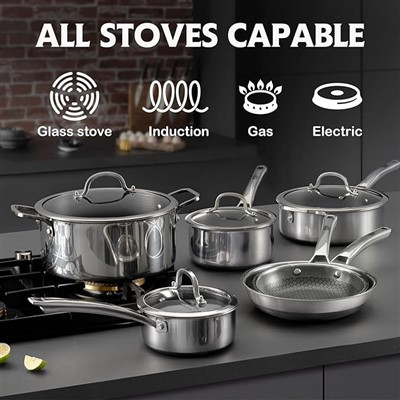
As a reliable saucepan supplier, I’m committed to providing high – quality, rust – resistant saucepans to meet the diverse needs of our customers. Whether you’re a home cook or a professional chef, our saucepans are designed to withstand the test of time and deliver outstanding performance.
Frying Pan If you’re interested in purchasing saucepans or have any questions about our products, please feel free to reach out to us. We’d love to discuss your requirements and help you find the perfect saucepan for your kitchen.
References
- "Corrosion and Corrosion Control" by Mars G. Fontana
- "The Science of Cooking" by Harold McGee
- Industry – specific research papers on metal protection and saucepan durability.
Zhejiang Nanyue Kitchenware Co., Ltd.
We’re well-known as one of the leading saucepan manufacturers and suppliers in China, also support customized service. Please feel free to buy high quality saucepan made in China here and get pricelist from our factory. For price consultation, contact us.
Address: Located inside Zhejiang Jialiyuan Industry and Trade Co., Ltd. (Nanyue Kitchenware) in Jiangbin Industrial Zone, Tongqin Town, Wuyi County, Zhejiang Province.
E-mail: nanyuekitchenware@zj-jlypans.com
WebSite: https://www.nanyuecook.com/
