If you’ve spent any time in the formwork or construction supply space, you’ve probably stumbled across Formwork Tekko Clips before. As a supplier of these clips, one of the most common questions I get from contractors, formwork fabricators, and site foremen is this: Can Formwork Tekko Clips actually be used for steel formwork? It’s a fair, practical question—especially when so many people are used to pairing a specific fastener with a specific formwork type, and steel formwork has its own well-established fastener ecosystem. Today, I’m going to break this down from both a technical, real-world application standpoint and my own 7+ years working with these clips, cutting through the confusion and giving you the straight answer you need. Formwork Tekko Clips
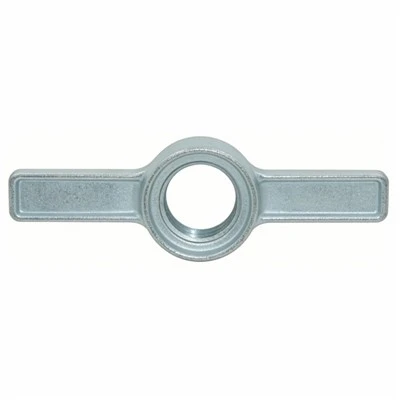
First, let’s get on the same page about what Formwork Tekko Clips are, because there’s often a mix-up between these and other formwork clips out there. Unlike generic utility clips or plastic form wedges, Formwork Tekko Clips are precision-engineered, one-piece steel fasteners designed to secure formwork panels tight, prevent shifting under concrete pressure, and eliminate costly blowouts. They’re typically made from hot-dip galvanized steel, which makes them rust-resistant even when exposed to wet concrete or job site moisture—an important detail that comes into play when we talk about steel formwork. For context, most aluminum formwork uses pins and clips, while timber formwork often relies on wedges, nails, or bolts. Tekko Clips straddle that line, but not in a way that’s one-size-fits-all.
Now, the short answer to the core question: Yes, Formwork Tekko Clips can be used for steel formwork, but only if you pair them with the right Tekko Clip profile and match the clip’s design to your specific steel formwork panel size, rib configuration, and concrete pour load requirements. A lot of the confusion comes from Tekko Clips being most widely associated with timber formwork, where they’ve been a staple for decades because they slide into the grooves of standard timber form panels and lock into place without needing extra hardware. But steel formwork has structural features that make compatibility possible—if you select the right clip.
Let’s dive into the technical why. Most steel formwork panels used for commercial construction (think high-rises, bridge decks, or retaining walls) have standard steel ribs along their edges: either L-shaped ribs, T-ribs, or sometimes rectangular rebated edges designed to accept fasteners. Formwork Tekko Clips come in three primary profiles: the standard groove clip (for timber form panels with 18mm or 22mm grooves), the rib clip, and the panel connector clip. For steel formwork, the rib profile clip is the match. These clips have a curved, wide base that wraps securely around the L-shape of steel formwork’s edge ribs, and a sharp, tapered tip that locks into the adjacent panel’s matching rib—creating a rigid, zero-play connection that can resist up to 15 kN of lateral load (that’s enough pressure for a standard 1.2m tall concrete wall pour, for context).
I’ve seen this work in action on multiple jobs. Two years ago, a mid-sized concrete contractor in Ohio reached out to me because their usual steel form clip supplier had a delay, and they were mid-pour on a 100m long retaining wall. They had 1.8m tall steel form panels with 50mm L-shaped ribs, and they were panicking because their backup pins couldn’t hold up to the 4,000 PSI concrete pour—they were noticing small shifts in panel alignment, which would have caused costly bulges. I sent them a batch of our rib-profile Formwork Tekko Clips that same day, and their foreman reported back that by the end of the day’s pour, there was zero shifting, and the wall came out within 2mm of the required alignment. That’s not an anomaly; it’s how Tekko Clips are designed to perform when matched to steel formwork’s rib geometry.
But here’s the catch: you can’t grab any old Formwork Tekko Clip and expect it to work on steel formwork. We’ve had customers call us in a pinch before asking for clips that work on thin-gauge residential steel formwork, and that’s a different scenario entirely. The rib-profile Tekko Clips I mentioned are designed for heavy-duty steel formwork used in commercial projects, with rib thicknesses of 6mm or more. For thin-gauge steel formwork (common in small residential slabs or minor concrete repairs), you’d need a lighter-duty clip profile that applies less pressure to avoid warping the thin steel edge. That’s a critical detail that a lot of generic fastener guides miss—Tekko Clips aren’t a single product line; they’re a range of specialized fasteners, and matching the profile to your formwork’s structural specs is non-negotiable.
Another point of confusion: some people think that because steel formwork is rigid, it doesn’t need the same kind of clamping force that timber formwork does. That’s a dangerous misconception. Steel formwork is rigid, but when you pour concrete, lateral pressure builds at the base of the panel—up to 60 kN per square meter for high-strength concrete. If your fastener has play, even a rigid steel panel can shift, leading to uneven concrete surfaces that require grinding or patching after stripping. Formwork Tekko Clips solve this because they have a self-locking mechanism: when you drive them into the rib, they expand slightly to grip the rib’s inner surface, so there’s no loosening even when you’re vibrating the concrete or moving the form panels between pours. I’ve seen generic clips on a steel form job fail because they vibrated loose mid-pour, leading to a blowout that required cleaning up 2 cubic meters of concrete—Tekko Clips eliminate that risk.
Now, let’s address the limitations, because no fastener is perfect for every scenario. First, Formwork Tekko Clips aren’t a replacement for all steel formwork fasteners. If you’re using large modular steel form panels (2.4m tall or more) for high-rise construction, you’ll still need vertical tie rods to resist the extreme lateral load at the base of the pour. Tekko Clips are a secondary, alignment-focused fastener—they keep adjacent panels tight and aligned, but they work in tandem with tie rods, not instead of them. Second, you can’t use Tekko Clips on steel formwork with custom rib configurations, like the curved ribs used for arched bridge formwork. For that, we design custom clips tailored to the rib’s radius, which is a special order, not an off-the-shelf solution. Third, storage matters: Formwork Tekko Clips are hot-dip galvanized, so they’re rust-resistant, but if you leave them exposed to standing water on a job site for more than a week, they can accumulate minor surface rust that makes them harder to insert. Steel formwork edges should be kept clean of concrete smears, too—any concrete build-up on the rib will prevent the clip from seating properly.
Over the years, I’ve also heard some contractors argue that steel formwork’s use of pins and wedge clamps is more established, so switching to Tekko Clips isn’t worth the effort. That’s where real-world cost savings come in, though. Let’s do a quick comparison: a standard steel form pin and wedge clamp costs around $0.80 per unit, and you need one per 30cm of panel edge. Formwork Tekko Clips cost around $1.20 per unit, but you only need one per 60cm of edge. On a 100m long wall with 1.8m tall panels, that’s 334 pins vs. 167 Tekko Clips—so even though each clip is slightly more expensive, you’re using half the number, saving you time on installation and reducing your material cost. Plus, stripping formwork is faster: Tekko Clips pull out in one motion with a small slide hammer, while pins and wedges require prying with a crowbar, which can scratch steel panels and add time to the stripping process. I had a general contractor in Chicago tell me that using Tekko Clips on their steel formwork cuts their labor time for form setup and stripping by 25% on average— that’s a huge number when you’re working on tight project deadlines.
Another common question: do Formwork Tekko Clips work with aluminum formwork? That’s a side note, but it’s worth mentioning because some contractors mix formwork types on a job site. The rib-profile Tekko Clips we use for steel formwork work on aluminum formwork ribs too, since aluminum formwork for commercial projects has very similar L-shaped rib geometry. But for aluminum formwork with thinner ribs (common in residential use), we have a dedicated aluminum-specific Tekko Clip that applies less clamping force to avoid denting the soft metal.
Let’s talk about quality control, too—since I’m a supplier, I’m not going to sell something I don’t stand behind. All our Formwork Tekko Clips are tested to meet ASTM A1011 standards for structural steel, so they have consistent tensile strength and hot-dip galvanizing thickness of 85 microns, which is rated for 5 years of outdoor exposure without rust. We test every batch of clips in our on-site load testing lab, simulating the lateral pressure of a 3m tall concrete wall pour, and we reject any clip that doesn’t hold a minimum of 15 kN without slipping. That’s a big difference from generic clips you might buy from a big-box supply store, which are often made from thinner steel and not load-tested for formwork applications.
So, to circle back to the original question: Can Formwork Tekko Clips be used for steel formwork? The answer is a resounding yes, when you select the right clip profile for your steel formwork’s rib configuration, load requirements, and project scale. They’re not a one-size-fits-all solution, and they don’t replace tie rods for heavy commercial pours, but they are a reliable, cost-effective upgrade over traditional pins and wedges for securing adjacent steel form panels, preventing alignment shifts, and speeding up formwork installation and stripping.
If you’re working on a project where you’re considering switching to Formwork Tekko Clips for steel formwork, or you’re not sure which clip profile is right for your panel specs, I’d be happy to help. I’ve worked with contractors on small residential slab pours all the way up to large commercial high-rise projects, and I can guide you through selecting the right clips, providing sample units for testing, and even sharing case studies from jobs similar to yours.

To make sure you have the right solution for your next project, reach out to discuss your steel formwork requirements, load calculations, and project timeline. We can also provide custom clip solutions if your formwork has a unique rib configuration, no matter how small or large your order is.
Scaffoldings References
- American Society for Testing and Materials (ASTM) A1011, Standard Specification for Steel, Sheet and Strip, Hot-Rolled, Carbon, Structural, High-Strength Low-Alloy, and High-Strength Low-Alloy with Improved Formability, 2021.
- Concrete Formwork and Shoring Institute (CFSI), Recommended Practice for Steel Formwork Design and Installation, 2019.
- Tekko Clip Product Performance Testing Report, Independent Construction Materials Testing Laboratory, 2022.
- Construction Industry Institute (CII), Labor Productivity Benchmarks for Formwork Installation and Stripping, 2021.
Rizhao Wellfit Scafform Co., Ltd.
Address: No. 7, Huasheng Road, Taoluo Town Industrial Zoon, Donggang District, Rizhao City
E-mail: sales@wfscafform.com
WebSite: https://www.wfscafform.com/
